“Time for Africa” Short Documentary Film Competition by Makido Film & Ekoiff

Spread the love

“Time for Africa” A New Film Collaboration between Europe and Africa

By Makido Austria and Eko International Film Festival Nigeria.

makido Film Vienna and EKOIFF cooperate on bringing African film making talent and European film producers together

makido and EKOIFF present the Time for Africa! film competition. Filmmakers can enter a short feature on “a European woman, who lives and works in Nigeria”. The film should be of a maximum length of 7 minutes.

ekoiff_2014_official_logo

The target audience is the wider public. There are no specific technical requirements. The film must be compatible with makido’s ethical guidelines and not compromise any Christian ethical values.

Applicants should be between 24 and 29 years oldand either be enrolled at a university or have graduated not longer than two years ago in July 2015.

An international jury of film experts will award the prize to the filmmakers, who best display excellence in style, substance and approach to documentary film making.


Jurors
Mr Hope Obioma Opara – EKOIFF, Nigeria
Ms Joana Adesuwa Reiterer–Human Rights Award 2009, Austria/Nigeria
MrGolli Marboe–makido, Austria

makido Film Vienna offers exciting internships to the two winners!

Who is makido? Makido stands for MArboe, KIno(German for cinema), and DOcumentary, but also alludes to the game Mikado, highlighting the playful nature with which we want to approach complex topics and that we want to treat our protagonists with particular care and sensitivity.

As traditional, value-determining groups, like political parties, churches but also families “in the conventional sense” lose their impact and significance in our society, what is shown on TV and in cinemas becomes increasingly important. It puts a special responsibility on those who produce films.

What is the focus of Time for Africa! ?

What comes to mind when you think of Africa? Images of poor starving people falling victim to natural disasters and corrupt politicians? The dominant images portrayed in the media serve only to enhance these stereotypical views.

And how are Europeans perceived in Africa? Aren’t they all well off with enough jobs for everyone?

Makido aims to challenge these stereotypes by telling nuanced and exciting stories about people living on the two continents.

“Rather than condemn or endorse the undoubted power of the media, we need to accept their significant impact and penetration throughout the world as an established fact, and also appreciate their importance as an element of culture in today’s world. The role of communication and media in the process of development should not be underestimated, nor the function of media as instruments for the citizen’s active participation in society…”

UNESCO declaration issued on 22 January 1982 at the International Symposium on Media Education in Grunwald, Germany

We strongly believe that news about Africa should be informed by
and produced in cooperation with independent African partners.
The lenses that we will apply are intercultural.

An intern will have the opportunity to work in one or more of the following roles:

-Journalist and content developer
– Camera Assistant (work with experienced camera operators, use of broadcast cameras and ancillary equipment as well as lighting equipment)
– Sound Assistant (Microphone technology, boom handling, radio microphones, personal microphones, a particular focus on voice recording)
– Editing Assistant (work with experienced video editors and directors, preparation, support and finishing of an edit, management of footage, archive handling and research)
– Delivery Assistant (finalise programs for transmission, creation of accessible versions, subtitling, DVD authoring)
– Production Assistant (an in depth experience of the complex processes required for any TV production)

Interns are expected to have experience using the following software packages: Microsoft Office, File maker Pro, Final Cut Pro, Adobe Creative Cloud, Sub-titler, Archive management, DVD Studio Pro.

Organizational details:

The placement will be for a minimum of three and a maximum of 6 months. The applicant should ideally be between 24 and 29 years old and and either be enrolled at a university or have graduated not longer than two years ago in July 2015.Females are strongly encouraged to apply. The internship will be paid. The intern is solely responsible for his or her tax declaration and social security arrangements. Makido will reimburse partly or totally the incurred cost for travel two months after the internship.

Are you interested in taking part in the competition? Please send your film on DVD, CV and motivation statement to

Mr Hope Obioma Opara, president@ekoiff.org

The deadline is 30 September 2014.
Please include
• A CV and a motivation statement, including a description of your technical skills and any references to films you have already contributed to.
• A copy of your valid passport.
• Dates of availability in 2015 and preferred length of assignment.
• A recommendation letter from academia or business.

For more information about us, please visit

http://www.makidofilm.tv/ and www.ekoiff.org


PRESS ACCREDITATION FOR 5TH EKOIFF 2014

Spread the love

ekoiff_2014_official_logo

Eko International Film Festival (Ekoiff) welcomes journalists and media representatives from around the world to cover the festival.
The film festival holds from November 18 – 23, 2014.
Requests for press accreditation is open till October 20, 2014, and might not be processed after the deadline.
There is no Accreditation fee.
Journalists can apply for accreditation by sending their request to our email: press@ekoiff.org


Eko International Film Festival to Present Cowrie Awards 2014

Spread the love

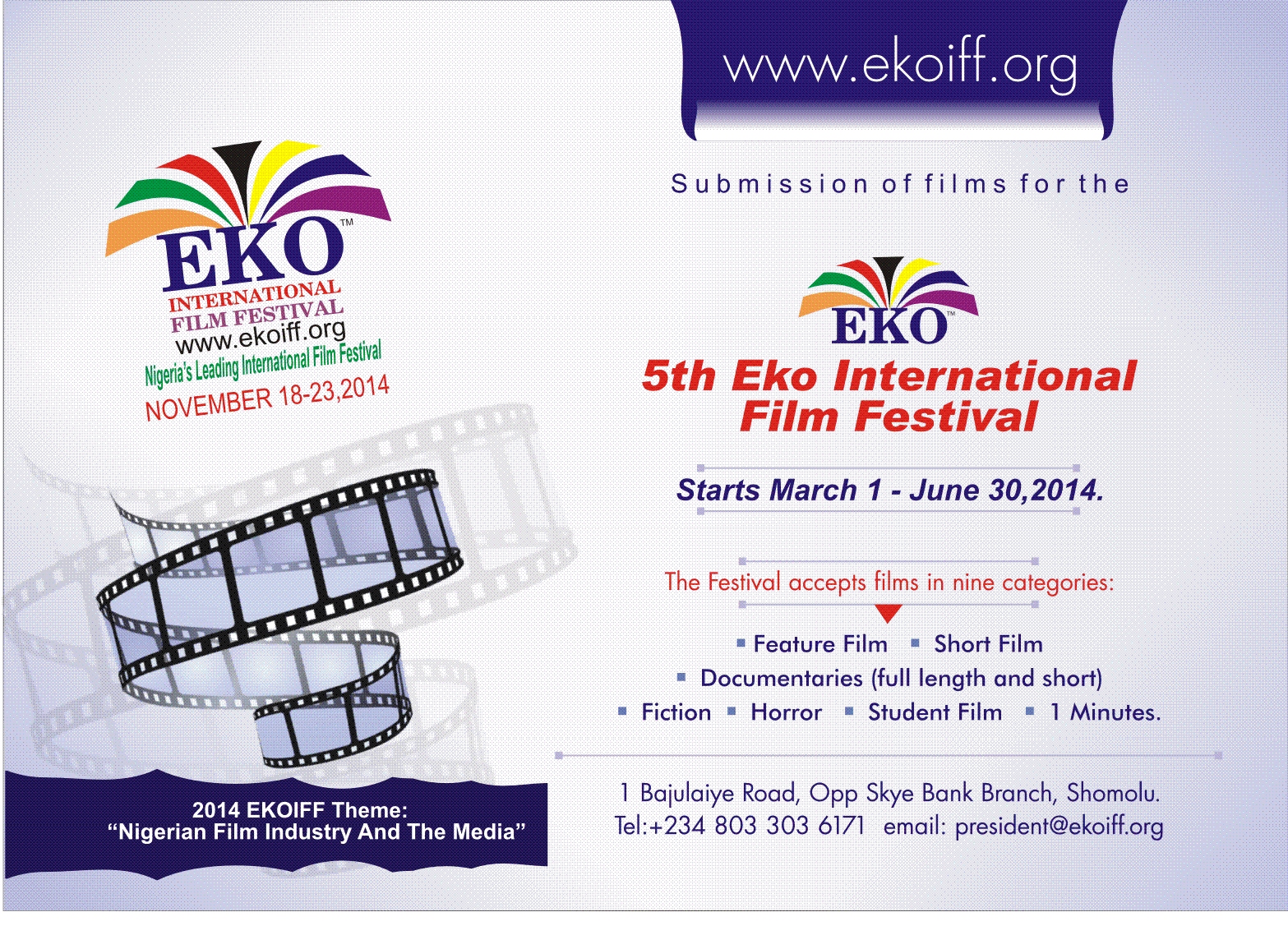
5th Eko International Film Festival Call for Entry

The 5th edition of the annual Eko International Film Festival comes up November 18-23, 2014 in Lagos. The theme of this year’s edition is “NIGERIA FILM INDUSTRY AND THE MEDIA”. The President of Eko International Film Festival Mr. Hope Obioma Opara said that the festival’s focus during this edition will be on contributions of the media to the growth of the film industry. Film submission for the festival is still open till 30th June, 2014.Bimbo-Akintola-new

BIMBO AKINTOLA – Nollywood Actress

Film submissions must be in one of the seven categories: Feature, Short, Fiction, documentaries, Short Documentaries, Horror, Student Film and 1 minute. Entries are already coming from around the world

The organizers of Eko International Film Festival are proud to announce award for the various categories, with the best film to be awarded the GOLDEN COWRIE AWARD while the second price will be the SILVER COWRIE AWARD.

Other activities during this weeklong event include workshops and seminars. Corporate organizations are requested to be part of the event.

For more information on film submission, please visit the website www.ekoiff.org

Regards,

Ekoiff Press

press@ekoiff.org

Don’t miss the 5th edition of EKOIFF 18-23 November,2014.

Spread the love

ANGELA

Angela Okorie Nollywood Star Actress

Don’t miss the 5th edition of the annual Eko International Film Festival coming up in the mega city of Lagos Nigeria. Submission for the festival is still open till 30th of June, 2014. http://www.ekoiff.org/submission-2/

submit

The theme of this year’s edition of the festival is ”Nigerian Film Industry and the Media”.

GV

Genevieve Nnaji Nollywood Star Actress 

The mission of Eko International Film Festival is to promote the appreciation of Arts and Culture through the motion picture arts and sciences and boost tourism in the global village.

SUBMIT ENTRIES FOR THE 5TH EKO INTERNATIONAL FILM FESTIVAL,

Spread the love

NOVEMBER 18-23, 2014, LAGOS, NIGERIA.
SUBMISSION DEADLINES
Submissions from March 1- June 30, 2014
Standard Deadline: June 30, 2014.
Late Deadline: July 15, 2014.
Call For Entry Form
THE MAIN SECTIONS
Feature Film
Short Film
Fiction
Documentaries
Short Documentaries
Horror
Student Film 1 minute
ELIGIBILITY
Films must fit into one of the seven categories:Feature,Short, Fiction, documentaries,Short Documentaries,Horror, Student Film 1 minute.
All music and other copyrighted materials used in the films must be original or filmmakers must have obtained permission in writing from the owner, such permissions to be submitted with the film.All films must be submitted in English or subtitled in English.

GENERAL RULES:
Films must be submitted on DVD for festival screening.
Films must be available for screening during the Eko International Film Festival.
Narrative and Documentary films with U.S. distribution (obtained prior to being selected for EKOIFF screening) or films produced, financed or initiated by a major film studio or television network are ineligible for competition, but may be considered for special screening. Selection for screening will be determined no later than one month prior to the festival. Films that have screened at major cinemas and on cable network or distributed to theaters prior to the festival dates are also ineligible for competition.
Films that have played in Nigeria in a theatrical setting to a public audience are not eligible to be screened at the EKOIFF 2014.
Additional Narrative Feature Film Entry Requirements:
Feature-length Films must be 60 minutes or longer (recommended length 90 minutes).
Open to anyone (and all nationalities) who wishes to enter.
Additional Narrative Short Film Entry Requirements:
Films must be short narratives of 40 minutes or less (recommended length 10 minutes).
Open to anyone who wishes to enter.
Additional Narrative Student Short Film Entry Requirements:
Films must be short narratives of 40 minutes or less (recommended length 10 minutes).
Open only to students (must include proof of enrollment from accredited university or college).
One Minute Short Film Entry Requirements:
Entries must be short films of 1 minute (recommended length).
Award will be given to the best 1 minute film.
Open to any form of animation.
Open to anyone who wishes to enter.
Additional Documentary Feature Films Requirements
Films must be Documentaries, 40 minutes or longer
Open to anyone who wishes to enter.
Additional Documentary Short Film Requirements
Films must be Short Documentaries, 40 minutes or less
Open to anyone who wishes to enter.
SUBMISSION IS FREE
Please Note: Eko International Film Festival does not collect entry fees.
In a similar respect the EKOIFF does not solicit films to be in competition.
Only films submitted will be considered for competition.
Returns and Acknowledgments:
VHS tapes, DVDs, and press materials will not be returned under any circumstances. They will be destroyed after the final screenings at the film festival.
Include a self-addressed, stamped postcard for each submission if you wish acknowledgment of the receipt of your entry.
Safety and piracy issue
The festival is concerned that filmmakers’ rights should be protected against piracy. EKOIFF is establishing procedures that will guarantee these are up to profession’s best practice. These are inspired by the anti piracy actions taken in the USA and worldwide.
FILM COMPETITION AWARDS:
Eko International Film Festival welcomes partners and sponsors for the following prizes.
Nollywood Divas Awards
Jury Awards:
Narrative Films Awards
Documentary Films Awards
Short Film Awards
Eko International Film Festival Film Submission Agreement Form
Submissions from March 1- June 30, 2014
I, (first name:)—————————————————-
(last name:)——————————————————–
Act as right owner hereafter described as “The filmmaker” own right
for the following film (film name)———————————.
The filmmaker grants permission to Eko International Film Festival (EKOIFF) and Supple Communications Limited to use clips of your film for promotional use.
The filmmaker grants the non-exclusive right for EKOIFF and Supple Communications Limited to screen, exhibit and distribute your film in its entirety for any promotion or project under the festival or foundation’s name for up to one year after the 2014 festival. EKOIFF and Supple Communications Limited may also actively pursue other distribution opportunities for your film.
The filmmaker grants EKOIFF and Supple Communications Limited and other third parties at their discretion the right to film, videotape and/or photograph your appearance or voice for any and all marketing and promotional activities for the festival.Your submission of an entry into the Eko International Film Festival constitutes an agreement between you and EKOIFF and Supple Communications Limited, and that by submitting your film for consideration, you agree to all of these rules, terms and agreements.
Date../../2014
Name: ————————————–
Email Address——————————-
Phone Number ——————————-
Signature: ———————————
Send with your DVD to
Hope Obioma Opara
The President
Eko International Film Festival
Supple Co mm unications Limited
1, Bajulaiye Road,
Morocco Bus Stop
Shomolu, Lagos,
Nigeria.
Email: submissions@ekoiff.org
PS: ONLY SPONSORED PRIZES WILL BE AWARDED.


Eko International Film Festival Awards 2014

The Eko International Film Festival is above all a public event and it is intended to enable the Nigerian public to see  pre studio released films. But it also awards the most original and creative film-makers. Twelve types of awards are to be  presented annually:

  • Best Nigerian Feature Film Award
  • Best Nigerian Short Film Award
  • Best Foreign Feature Film Award
  • Best Foreign Short Film Award
  • Best Nigerian Feature Documentary  Film Award
  • Best Nigerian Short Documentary  Film Award
  • Best Foreign Feature Documentary  Film Award
  • Best Foreign Short Documentary  Film Award
  • Best Nigerian Student Film Award
  • Best Foreign Student Film Award
  • Best Actor and Actress
  • Best Supporting Actor and Actress


CPD 9th Annual Research Conference On Cultural Diplomacy University of Southern California

Spread the love

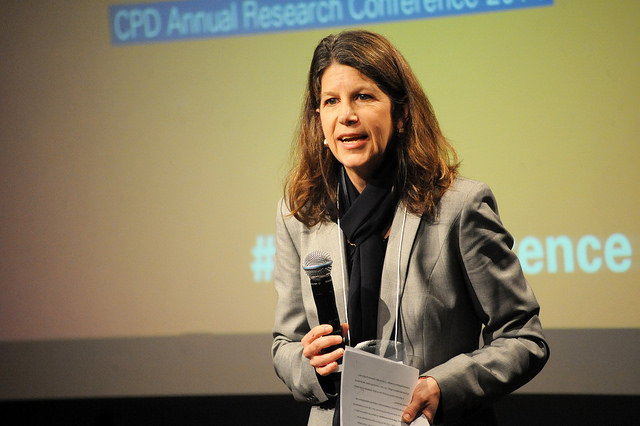
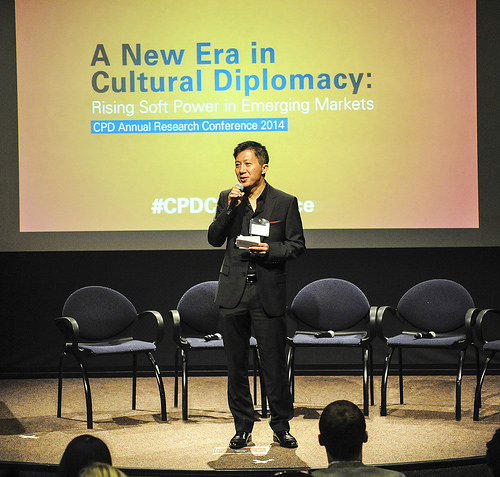
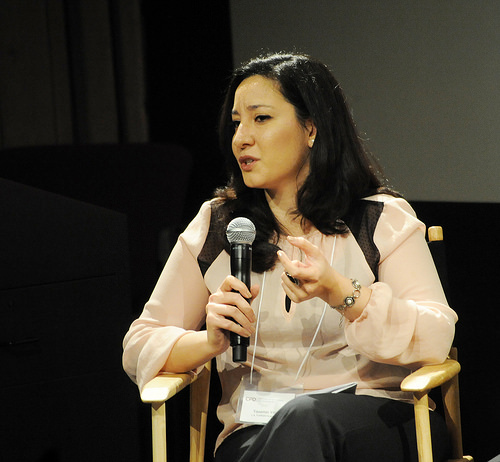
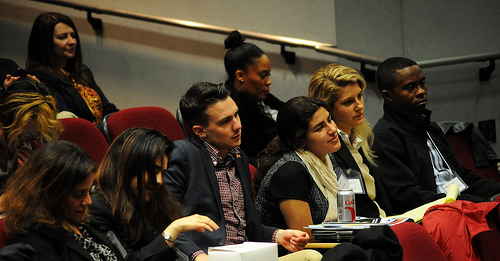
USC 34 The invitation extended to Eko International Film Festival to take part in the 9th annual conference on cultural diplomacy of University of Southern California Los Angeles USA was amazing. This conference took place on the 28th of Febraury,2014.The Nollywood Industry was represented by the President of Eko International Film Festival which attracted wild rage of professionals from various fields of endeavors was well attended.

The welcome address was from
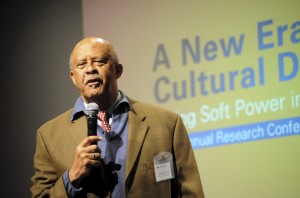
USC 2 • Ernest J. Wilson, III, (Walter Annenberg Chair in Communication and Dean of USC Annenberg School for Communication & Journalism)
Followed by the Opening Remarks by
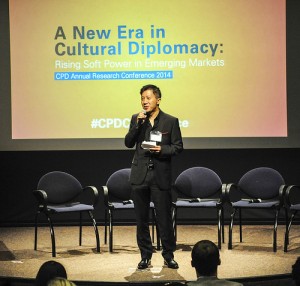
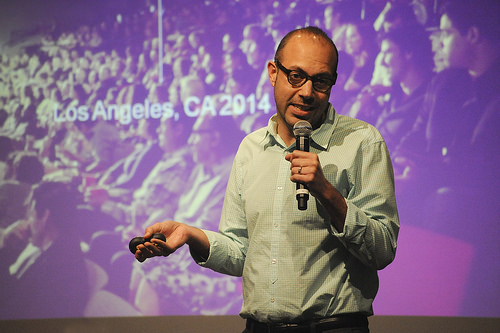
USC 29 • Jay Wang, Director, USC Center on Public Diplomacy and Associate Professor, USC Annenberg School for Communication & Journalism.

The first panelists deliberated on:
Cultural Diplomacy: Continuity and Disjuncture
This panel addressed the adaptations and changes that cultural diplomacy has undergone in the 21st century, considering the multitude of actors now present in the cultural diplomacy sphere.

Below are the professionals that took part on this sections
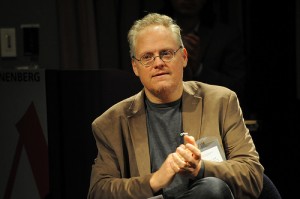
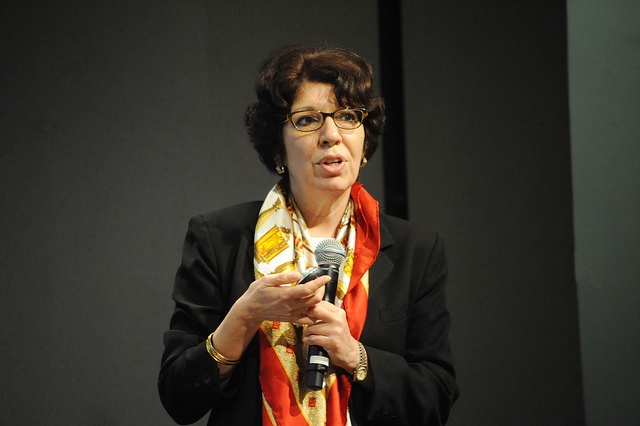
USC 30 • Nicholas J. Cull, Director, Master of Public Diplomacy Program, USC Annenberg School for Communication & Journalism (chair)

ank

• Senem Cevik, Assistant Professor, Ankara University, Turkey
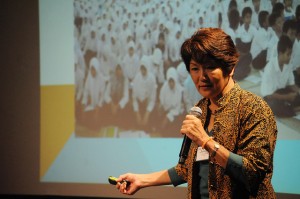
 

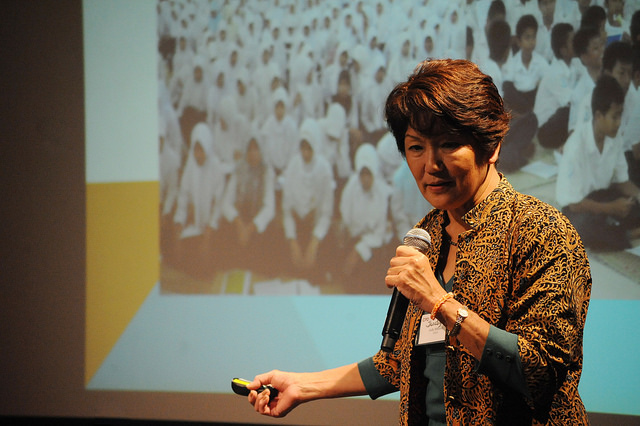
USC7 • Judy Mitoma, Professor (Emerita) of World Arts and Cultures, UCLA
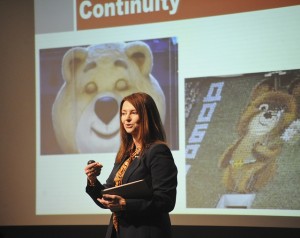
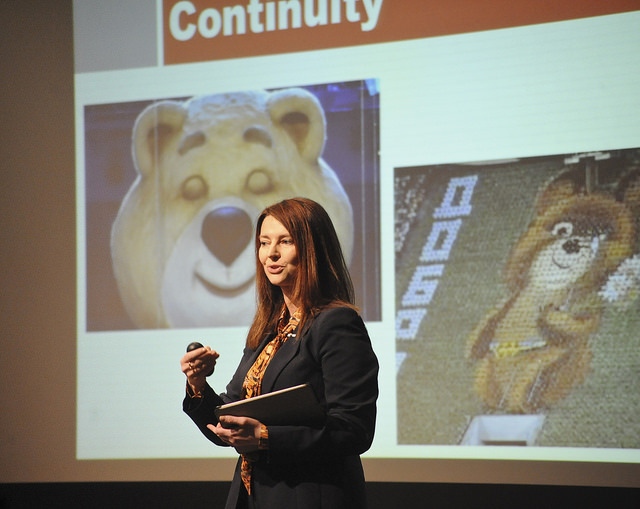
USC 5 • Katerina Tsetsura, Gaylord Family Professor of Strategic Communication & Public Relations, University of Oklahoma
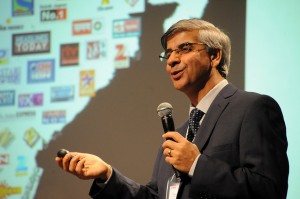
USC 8 • Daya Kishan Thussu, Professor of International Communication and Co-Director of India Media Centre, University of Westminster

The second panelists deliberated on :
Confucius Institutes: The Globalization of Chinese Soft Power
The Confucius Institutes are a platform for Chinese cultural diplomacy through language learning and cultural exchanges. This interdisciplinary panel of experts discussed the Confucius Institutes’ operations the United States and South Africa. This panel on the Confucius Institutes is co-sponsored by the USC U.S.-China Institute.

Below are the professionals that took part during the second section:

USC 14 • Clayton Dube, Executive Director, USC U.S.-China Institute at the Annenberg School for Communication & Journalism (chair)

USC 12 • Falk Hartig, Post-doctoral Researcher, Frankfurt Inter-Centre-Programme on new African-Asian Interactions AFRASO at Frankfurt University, Germany
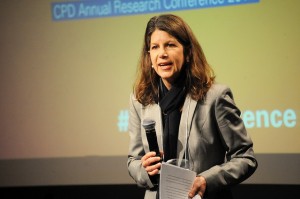
USC11 • Jennifer Hubbert, Assistant Professor of Anthropology, Lewis & Clark College

USC 13 • John Layton, Assistant Superintendent, Lafayette School Corporation
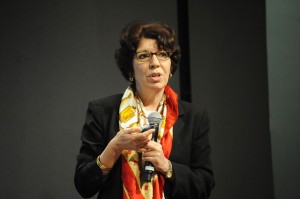
USC 10 • R.S. Zaharna, Associate Professor, School of Communication and Affiliate Associate Professor, School of International Service, American University

The third section was on

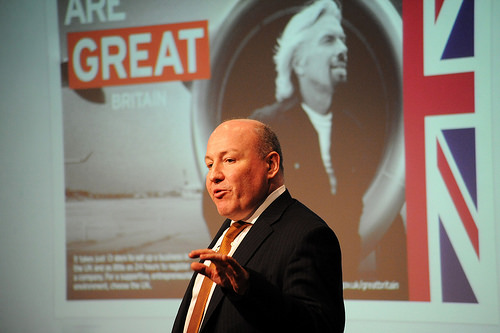
GREAT Britain in Emerging Markets:
How was Great Britain’s global campaign received in emerging economies? “This lunch conversation discussed the challenges and successes”

A representative from the British Prime Minister made his presentation
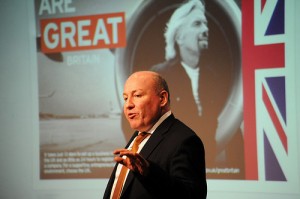
USC 15

• Andrew Pike, Deputy Director, Prime Ministers’ Director of Strategic Partnership for the GREAT Campaign
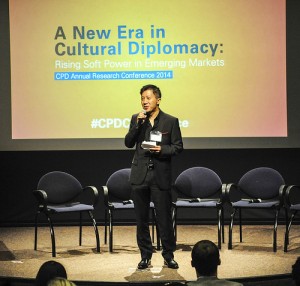
USC 29 • Jay Wang, Director, USC Center on Public Diplomacy and Associate Professor, USC Annenberg School for Communication & Journalism

The fourth section was on

Dialogues Through Film
Film festivals are flourishing around the world, yet their role in fostering cultural exchange remains under-examined. This panel examined how film festivals are a platform for creating shared cultural space.

Below are the professionals that deliberated on this section :

USC 30 • Nicholas J. Cull, Director, Master of Public Diplomacy Program, USC Annenberg School for Communication & Journalism (chair)
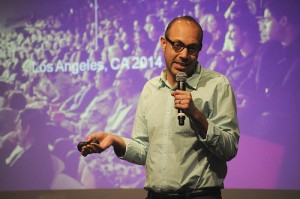
USC 20 • Samuel Douek, Director, HOLA Mexico Film Festival
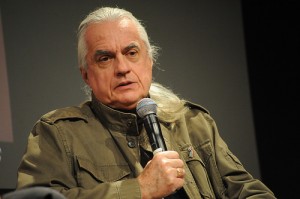
USC 22 • Vladek Juszkiewicz, Executive Director, Polish Film Festival Los Angeles
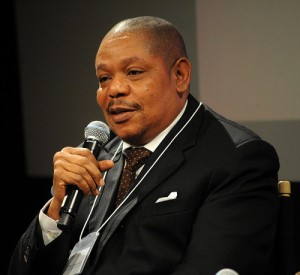
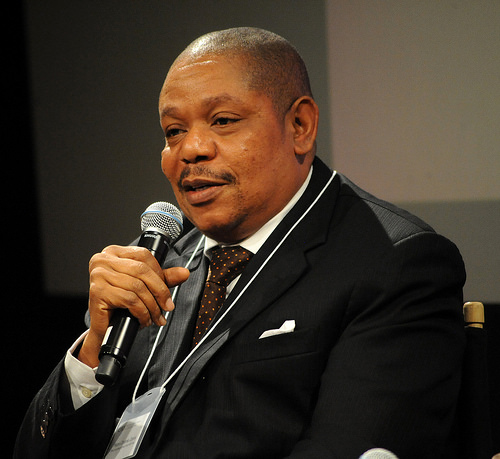
USC 24 • Hope Obioma Opara, President & Founder, Eko International Film Festival.Lagos,Nigeria.
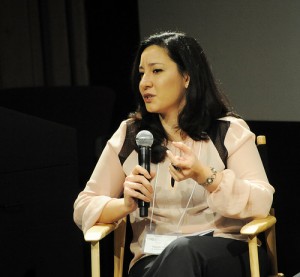
USC 19Yasemin Yilmaz, Co-Founder, L.A. Turkish Film Festival

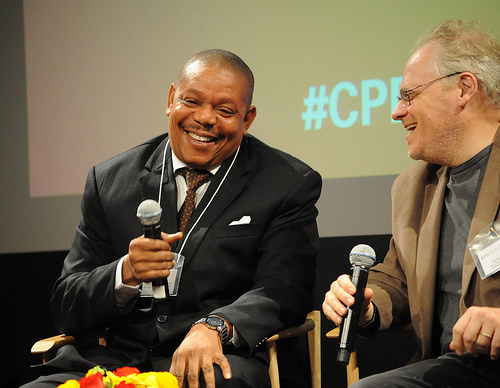
The Dialogue on Film was the section which Mr Hope Obioma Opara (President Ekoiff) participated as a panelist.
Cultural Diplomacy is the exchange of ideas, information, values, systems, traditions, beliefs, and other aspects of culture, with the intention of fostering mutual understanding”. This has at times been talked about as involving the use of soft power as opposed to hard power.
Culture is the way of life of a people. It consists of conventional patterns of thought and behaviour, including values, beliefs, rules of conduct, political organization, economic activity, and the like, which are passed on from one generation to the next by learning – and not by biological inheritance.
So many films are submitted for screening in every film festival and these films can be documentary, short film of a different genre, which the story line can based on religion, politics or culture, it can act as effective instrument for a positive change in terms of solving problems.

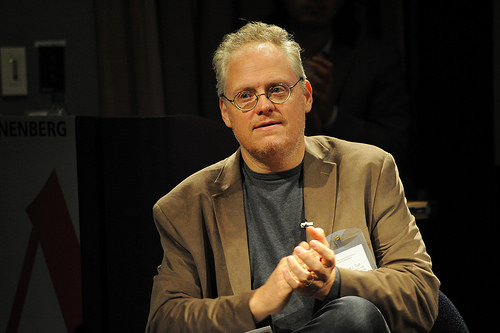
center on Public Diplomacy USCMembers of the Delegates

Films are definitely a pathway through which Cultural Diplomacy and international relations can be conducted. In the case of the arts, and particularly in the case of ‘films as vehicles of Cultural Diplomacy’, it seems that soft power can contribute to the relations between countries and benefit both the private and public sector of a country’s economy.
Film allows the public to see a different side of the native country, a side which more than often shows the true realities rather than what the media want us to see.

USC 26

Audience

4th Eko International Film Festival ends with the film DAM 999.

Spread the love

DAM999

hope and sohan Hope Opara Ekoiff President and Sohan Roy The Director of DAMM 999

sohan and wifeSohan and Wife during the screening
The 4th Eko International Film Festival closed with DAM 999 which the Director Sohan Roy flew from India including the producer. The last day was graced by prominent Nollywood Directors like Tony Abulu the Director of “Doctor Bello”, Fidelis Duker the Festival President /Director of Abuja International Film Festival, Film Director / Producer Chico Ejiro, Chike Ibekwe. The Head Lagos State Government Film Barr.Mrs Bukkie Agbamiloja was also at the event.
Just before the closing film Mr. Hope Yongoh from NEXIM Bank Limited presented a paper on the theme of the 4th Eko International Film Festival “Nollywood in the Global Film Market”.
In his address it is now clear that Nigeria does not have a film market and deserves one. Nigeria with over 150 million people has only 60 screens while India is having about 13000 screens and you cannot be talking about a viable film industry without having a film market.
The festival organizer will issue certificate of participation for all the movies that was screened during the 4th edition of the festival. All plans are now focused on the 5th edition when the film festival will start giving awards in different categories.